The Japanese Alpine Sanctuary: Walking the Kiso Valley in Solitude
Notes on the old stone paving, damp mountain moss, and preserved wooden facades along the Nakasendo trail.
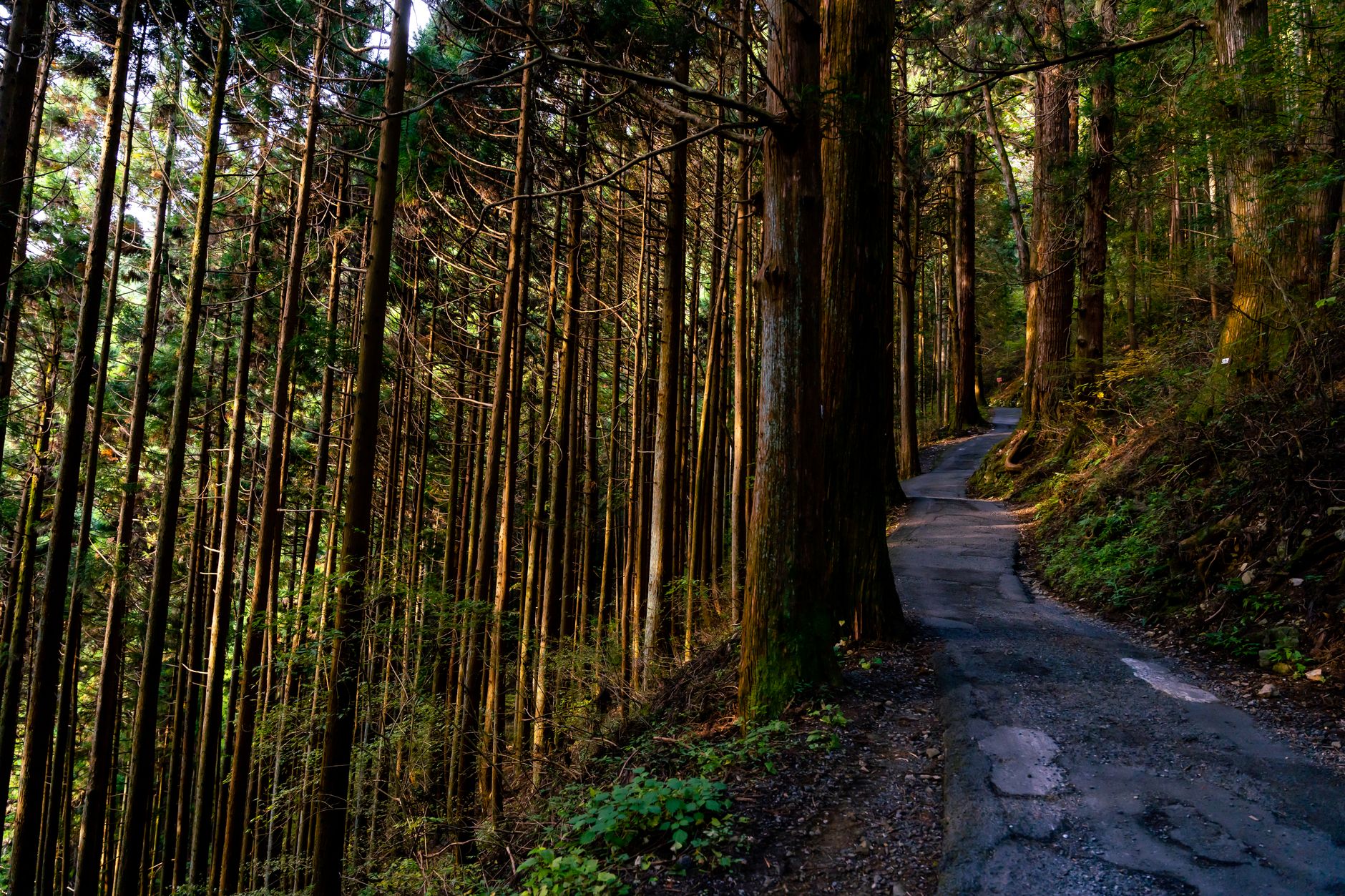
In the predawn mist that rolls off the Kiso Mountains, the wooden slats of Magome and Tsumago creak beneath the weight of moisture. Established during the Tokugawa shogunate as part of the five major highways linking Kyoto to Edo, the Nakasendo was carved through mountain rock specifically to avoid hazardous river crossings on the coastal Tokaido.
Today, walking between the post towns yields a tranquil sense of timelessness. Motorized traffic is excluded from the historic central thoroughfares; water runs continuously through narrow wooden flumes beside the cobbles, murmuring softly against larch foundations.
“There is an architectural humility to the Kiso settlements. Nothing proclaims dominance over the hillside; buildings lean respectfully into the contour of the stone.”— Kenji Takahashi, Architectural Conservator
The Rhythm of Cedar and Stone
Passing through the Magome Pass, one is enclosed in centuries-old stands of Japanese cypress and cedar. The path ascends through damp switchbacks where bells are placed at intervals for travelers to ring, alerting black bears to human presence.
Arriving at an old minshuku or ryokan at dusk, the traveler is welcomed by the gentle scent of tatami mats and hot mountain water drawn directly from subterranean springs. Dinner consists of wild river trout grilled over glowing binchotan charcoal, mountain yams, and pickled bracken gathered from the high forest.
This is travel not as consumption, but as sensory calibration. To walk the valley is to surrender the urgency of contemporary schedules to the measured cadence of mountain footsteps.